Hey there,
If you’ve ever stood in front of a beverage cooler in a grocery store or a café, squinting at that thin layer of frost building up along the back wall, you know the two big frustrations it brings. First, frost eats into valuable storage space—those 2 inches of ice that form over a few weeks can make 10-15 cans feel like 7, and no one wants to rearrange soda bottles just to fit a case of craft beer. Second, cleaning that frost out means unplugging the unit for hours, mopping up water, and waiting for everything to thaw before you can restock. For our team here as a beverage cooler supplier, that’s a pain point we hear about from café owners, retail managers, and even home bar owners all the time. That’s why I get asked weekly: “Are there actually beverage coolers with a self-defrosting function? And do they work as well as they claim?” Beverage Cooler
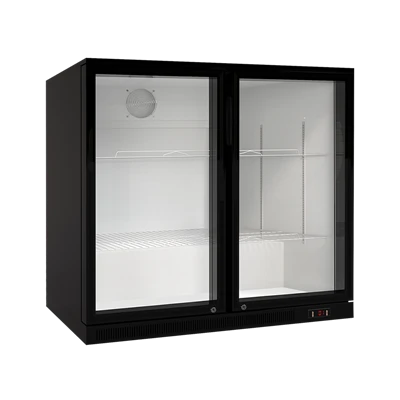
Let’s start with the basics. Most standard beverage coolers—whether built for a small bar or a 10-foot retail display—run on a vapor compression refrigeration system. That system pulls heat out of the inside air to keep drinks cold, right? And every time that cold air hits the evaporator coil (the part that actually absorbs the heat), which is kept at super low temps (usually between 20°F and 30°F), the moisture in the air freezes into that frost we hate. Over time, that frost insulates the coil, making the entire system work harder, use more electricity, and even fail faster if you ignore it.
So self-defrosting coolers—they’re not a new invention, but they’ve gotten a lot better in the last 10 years. Let’s break down how they work, because not all “self-defrosting” functions are the same. The most common type you’ll find in quality beverage coolers is the automatic defrost cycle, built into the refrigeration system. Here’s how that works: every few hours, the compressor (the core part that runs the system) shuts off temporarily, and a small heating element wrapped around the evaporator coil kicks on. That heating element is low-wattage, so it only melts the thin layer of frost on the coil—doesn’t warm up the inside of the cooler enough to turn soda into room temp, because the cycle is timed to last only 5-10 minutes. The melted frost then drips into a small drain pan at the bottom of the unit, where it either evaporates on its own (using the heat from the condenser, which is also running when the compressor is off) or drains out through a tube.
Wait, but what about the “frost-free” label you see on some fridges? A lot of people mix self-defrosting with frost-free, and for beverage coolers, that’s a fair overlap—but frost-free is a more extreme version. Frost-free systems run more frequent, slightly longer defrost cycles, which are designed to eliminate all frost buildup, not just the layer on the evaporator. For beverage coolers, though, that’s sometimes overkill. We’ve had café clients ask us for frost-free models because they don’t want to check frost every week, but for most mid-sized coolers, the automatic defrost cycle works just as well, uses less energy, and doesn’t risk warming up sensitive drinks like craft beer that need a consistent temp.
Now, let’s get real about the limitations—because I’m not here to sell you something that doesn’t solve the problem. First, self-defrosting functions don’t work as well if you’re opening the cooler door constantly. If a bar is opening their beverage cooler 50 times an hour during rush service, every time you open the door, warm, humid air pours in, and that extra moisture can cause frost to build up faster than the defrost cycle can keep up. That’s why, in high-traffic retail settings, we often recommend combining a self-defrosting cycle with a glass door that’s double-paned and has a heated frame—so less moisture seeps in in the first place. Second, not all self-defrosting systems are created equal. Cheap coolers with a “fake” self-defrost function—like a manual button that only melts a tiny spot of frost—are worse than regular models, because they make you think you’re covered, then you get a big frost surprise a month later. At our company, we only partner with manufacturers that use a thermostatic defrost control, which means the heating element only turns on when the frost actually reaches a specific thickness (usually 1/4 inch), not on a rigid timer that might activate when there’s no frost at all. That saves energy and prevents unnecessary heating cycles.
Let’s talk about when a self-defrosting cooler is worth the investment. For small business owners—like a neighborhood coffee shop or a boutique convenience store—those 10 minutes a month you’d otherwise spend defrosting a regular cooler add up. If you’re running a cooler 12 hours a day, 7 days a week, manual defrost means pulling the unit off line for 2-3 hours every 4-6 weeks. That’s lost sales space, and if you’re relying on that cooler for cold brew or soda, losing that access can hurt your bottom line. We had a client in Portland last year who had a 12-drawer undercounter beverage cooler for their taproom. They were defrosting it every 5 weeks, and each time, they lost about 20 slots of bottled seltzer and craft beer that couldn’t stay cold outside the unit. They switched to our line of automatic defrost undercounter coolers 18 months ago, and they haven’t had to defrost it once. Their maintenance costs for the cooler are down 30%, too, because the consistent heating cycles don’t put as much stress on the compressor—another win for their long-term costs.
What about home users? I get it—if you’re a home bar owner who has a beverage cooler in your man cave or kitchen, defrosting is a hassle, especially if you’ve invested in custom taps or craft beer that can’t handle temp swings. Most entry-level home beverage coolers don’t have self-defrosting functions, but mid-range and premium models do. We’ve had home users tell us that before they got a self-defrosting unit, they’d forget to defrost for months, and the frost would get so thick it would push glass bottles out of place. With a self-defrosting model, they just set it and forget it, and the only thing they have to do is clean the drain pan once a quarter—easy.
Wait, but let’s clear up a myth I hear all the time: self-defrosting coolers use more electricity. Is that true? It depends on the system. A 2021 study from the Association of Home Appliance Manufacturers (AHAM) tested 50 beverage coolers, half with automatic defrost, half without. The average energy use for automatic defrost models was 7% higher than manual defrost, which makes sense because of the small heating element. But here’s the catch: units with bad defrost cycles that let frost build up use way more energy. The same AHAM study found that a manual defrost cooler with 1/2 inch of frost buildup uses 28% more energy than a self-defrosting unit with no frost. So over the life of the cooler, the energy you save from never dealing with excess frost almost always makes up for the tiny increase from the defrost cycle. For commercial users, that’s even more important—if you’re paying for electricity per kilowatt hour, that 7% difference is negligible compared to not losing sales space or having to shut down the unit for defrost.
Now, what should you look for if you’re in the market for a self-defrosting beverage cooler? First, check the defrost control type. As I mentioned earlier, thermostatic defrost (which measures frost thickness) is way better than timer-based defrost, which runs on a schedule regardless of need. Then, look for drain pan evaporation—some cheaper models require you to empty the drain pan manually every few months, which defeats part of the convenience. A model that evaporates the melt water on its own uses the heat from the condenser, so no more mopping up water under the cooler. Also, pay attention to the seal around the door. A tight door seal means less humid air getting in, which means less frost, so the defrost cycle works less hard. Finally, if it’s a commercial unit, make sure it’s certified by a third party, like UL or Energy Star, which means the defrost system is tested to work consistently under real-world conditions.
At our company, we’ve worked on tweaking the defrost cycle for our beverage coolers for years, based on feedback from clients. We added a delay to the heating element so that even when the cycle kicks on, the inside temp only rises by 1-2 degrees—so your soda or sparkling water doesn’t get warm at all. We also designed the drain tubes to be self-closing, so you don’t get leaks when you move the unit. Last year, we launched a line of mid-sized commercial beverage coolers with a smart defrost function that connects to our client’s POS system. If the store is closed overnight, the defrost cycle runs during those low-traffic hours, so it never interrupts business. That’s the kind of innovation we care about—solving the actual pain points, not just adding a fancy label.
I know there are still people out there who swear by manual defrost coolers, and that’s fair. If you only use a small countertop cooler for a handful of soda cans in your home office, a self-defrosting model might be overkill, and you’ll save a few bucks by going manual. But for anyone running a business, or anyone who values their free time (and not having to unplug a cooler for an afternoon), a self-defrosting beverage cooler is a game-changer. No more scraping ice with a credit card, no more rearranging stored drinks to make space for frost, no more cold drinks that taste warm after a defrost cycle.
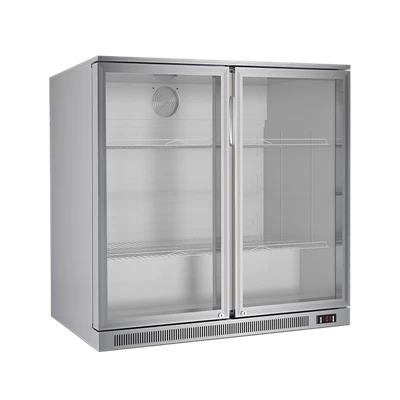
If you’re in the market for a beverage cooler, whether you’re a café owner looking to upgrade your backbar, a retail manager needing a new display cooler, or a home bar enthusiast tired of defrosting, we’re here to help. We can walk you through the different models, explain which defrost system works best for your specific setup, and even share case studies from other clients who’ve made the switch. Don’t hesitate to reach out—we’ve spent years refining our coolers to solve the real problems that our customers face, and we’d love to find the right solution for you.
Reach-in Refrigerator References
AHAM. (2021). Energy Efficiency Testing of Beverage Coolers with Defrost Functions. Association of Home Appliance Manufacturers.
US Department of Energy. (2022). Refrigeration and Cooling Systems: Defrost Technologies and Energy Use. Office of Energy Efficiency & Renewable Energy.
Food and Drug Administration. (2020). Food Service Equipment Guidelines: Temperature Control for Commercial Beverage Coolers. Center for Food Safety and Applied Nutrition.
Zhejiang Xingbao Electrical Appliances Co., Ltd.
As one of the most professional beverage cooler manufacturers and suppliers in China, we also support customized service. Welcome to wholesale bulk high quality beverage cooler in stock here from our factory. If you have any enquiry about pricelist, please feel free to email us.
Address: No. 10 Baisha Road, Lianhang Development Zone, Chang’an Town, Haining City, Jiaxing City, Zhejiang Province, China
E-mail: zjxingbao@gmail.com
WebSite: https://www.sunborncn.com/
