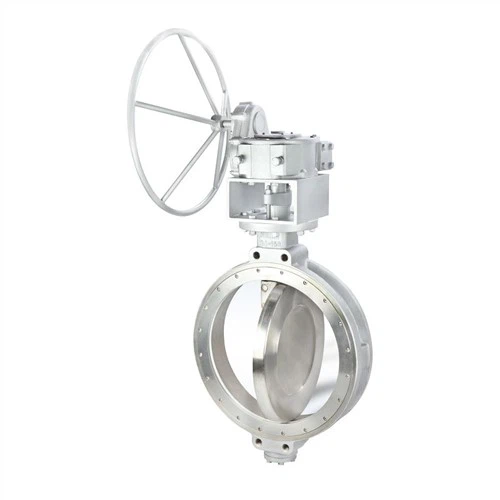
As a seasoned supplier of Centre – pivoted Butterfly Valves, I am thrilled to share comprehensive operating instructions with you. These valves are crucial in numerous industries, from water treatment to chemical processing, and understanding how to operate them correctly is key to ensuring their longevity and efficient performance. Centre-pivoted Butterfly Valve
Before Operation Checks
Before initiating any operation of the centre – pivoted butterfly valve, a series of pre – operation checks are essential. First and foremost, visually inspect the valve body and its connections. Look for any signs of physical damage such as cracks, dents, or corrosion on the valve housing. A damaged valve body can lead to leakage, which may compromise the entire system.
Examine the actuator attached to the valve. If it is an electric actuator, check the wiring for any loose connections, frayed wires, or signs of overheating. For pneumatic actuators, ensure that the air supply lines are properly connected and there are no leaks. A malfunctioning actuator can prevent the valve from opening or closing as required.
Verify the position indicator on the valve. This indicator shows whether the valve is in the open or closed position. It should be accurate and clearly visible. Incorrect position indication can lead to operational errors, potentially resulting in system failures or safety hazards.
Opening the Valve
When it comes to opening the centre – pivoted butterfly valve, the process may vary depending on the type of actuator.
Manual Actuation
For manually operated valves, locate the handwheel. The handwheel is typically attached directly to the valve stem. To open the valve, turn the handwheel in the counter – clockwise direction. As you turn the handwheel, you will feel the resistance gradually decrease as the valve disc starts to rotate. Continue turning until the valve is fully open. It is important to turn the handwheel smoothly and steadily to avoid any sudden movements that could damage the valve components.
Electric Actuation
In the case of an electrically actuated valve, start by ensuring that the power supply to the actuator is switched on. Check the control panel or the remote – control device associated with the valve. There will usually be an "Open" button. Press this button, and the actuator will start to operate. The motor within the actuator will rotate the valve stem, causing the valve disc to open. Monitor the position indicator on the control panel or the valve itself to confirm that the valve has reached the fully open position.
Pneumatic Actuation
For pneumatic actuators, first, make sure that the compressed air supply is turned on and the pressure is within the specified range for the valve. Adjust the air pressure regulator if necessary. Then, operate the control valve or solenoid valve to allow compressed air to flow into the actuator. The air pressure will drive the actuator piston, which in turn rotates the valve stem to open the valve. Similar to other actuation methods, visually verify that the valve is fully open using the position indicator.
Closing the Valve
Closing the centre – pivoted butterfly valve follows a similar logic to opening, but in the reverse direction.
Manual Actuation
To close a manually operated valve, turn the handwheel in the clockwise direction. Apply a steady and even force as you turn. You will notice an increase in resistance as the valve disc approaches the closed position. Once the handwheel can no longer be turned, the valve is fully closed. It is important not to over – tighten the handwheel, as this can damage the valve seat and lead to leakage over time.
Electric Actuation
In an electrically actuated valve, press the "Close" button on the control panel or remote – control device. The electric motor in the actuator will reverse its rotation, causing the valve stem to turn the valve disc back to the closed position. Keep an eye on the position indicator to ensure that the valve has reached the fully closed state.
Pneumatic Actuation
For pneumatic valves, adjust the control valve or solenoid valve to reverse the air flow in the actuator. This will cause the actuator piston to move in the opposite direction, rotating the valve stem to close the valve. Check the position indicator to confirm full closure.
During Operation Monitoring
During the operation of the centre – pivoted butterfly valve, continuous monitoring is vital.
- Pressure Monitoring: Use pressure gauges installed on both sides of the valve to monitor the pressure. A significant pressure difference across the valve may indicate a blockage within the valve or the pipeline. If the pressure on the inlet side is much higher than the outlet side when the valve is supposed to be open, it could mean that the valve disc is not fully open or there is a build – up of debris.
- Leakage Detection: Regularly inspect the valve for any signs of leakage. Look around the valve body, flanges, and connections for any drips or wet spots. Leakage can not only lead to loss of fluid or gas but also pose safety risks, especially in systems handling hazardous materials.
- Actuator Performance: Observe the actuator closely. For electric actuators, listen for any unusual noises such as grinding or clicking, which could indicate a problem with the motor or gears. In pneumatic actuators, check for any air leaks around the actuator and ensure that the movement of the piston is smooth.
After – Operation Maintenance
After the valve has been in operation for a certain period, proper after – operation maintenance is necessary to extend its lifespan and ensure its continued performance.
- Cleaning: Remove any debris or deposits that may have accumulated on the valve disc and seat. Use a soft brush or a non – abrasive cleaning agent to clean these components. This helps to maintain a good seal when the valve is closed and prevents damage to the valve seat.
- Lubrication: Lubricate the valve stem and the moving parts of the actuator according to the manufacturer’s recommendations. This reduces friction, makes the valve operation smoother, and prevents wear and tear.
- Inspection and Replacement: Regularly inspect the valve components for wear. Replace any worn – out parts such as gaskets, seals, or bearings promptly to avoid potential failures.
Troubleshooting
Even with proper operation and maintenance, issues may arise with centre – pivoted butterfly valves. Here are some common problems and their solutions:
- Valve Does Not Open or Close: Check the power supply for electric actuators or the air pressure for pneumatic actuators. If the power or air pressure is normal, there may be a mechanical issue such as a jammed valve stem or a damaged gear in the actuator. In such cases, it may be necessary to disassemble the actuator and inspect the internal components.
- Leakage: If the valve is leaking, first check the valve seat for damage. A damaged seat may need to be replaced. Also, ensure that the gaskets and seals are properly installed and in good condition. Tighten the flange bolts evenly if necessary, but be careful not to over – tighten.
- Erratic Position Indication: This could be due to a faulty position sensor. Check the wiring and connections of the position sensor. If the problem persists, replace the sensor.

In conclusion, operating a centre – pivoted butterfly valve requires careful attention to detail, from pre – operation checks to after – operation maintenance. By following these operating instructions, you can ensure the reliable and efficient performance of the valve in your system.
Floating Ball Valve If you are in the market for high – quality centre – pivoted butterfly valves or have any questions about their operation, installation, or maintenance, I encourage you to reach out to us for further discussion and potential procurement opportunities. We are committed to providing top – notch products and excellent customer service.
References
- Valve Handbook, 4th Edition, by Thorkild Rasmussen
- Industrial Valves: Design, Selection, and Application, by Robert W. McKetta
Zhejiang Sunawei Valve Co., Ltd.
As one of the most professional centre-pivoted butterfly valve manufacturers and suppliers in China, we offer a wide range of valves with superior quality. Please feel free to wholesale high quality centre-pivoted butterfly valve at competitive price from our factory. We also accept customized orders.
Address: Anfeng Industrial, Oubei Town, Wenzhou City, Zhejiang, China
E-mail: snv@sunawevalve.com
WebSite: https://www.sunay-valves.com/
