Thermal Expansion Considerations for a Transformer Radiator
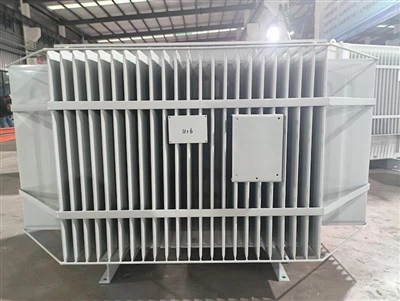
As a supplier of transformer radiators, I’ve witnessed firsthand the critical role that thermal expansion plays in the performance and longevity of these essential components. Transformer radiators are designed to dissipate heat generated by the transformer, ensuring that it operates within safe temperature limits. However, the expansion and contraction of materials due to temperature changes can pose significant challenges if not properly addressed. Transformer Radiator
Understanding Thermal Expansion
Thermal expansion is the tendency of matter to change in volume in response to a change in temperature. When a material is heated, its molecules gain energy and move more vigorously, causing the material to expand. Conversely, when the material is cooled, the molecules lose energy and move less, resulting in contraction. The amount of expansion or contraction depends on several factors, including the type of material, the temperature change, and the initial dimensions of the object.
In the context of transformer radiators, thermal expansion can occur in various components, such as the radiator fins, tubes, and headers. These components are typically made of metals, such as steel or aluminum, which have relatively high coefficients of thermal expansion. As the temperature of the transformer increases, the radiator components expand, and as the temperature decreases, they contract. If these expansion and contraction cycles are not properly managed, they can lead to mechanical stress, fatigue, and even failure of the radiator.
Impact on Radiator Design
The thermal expansion characteristics of the materials used in transformer radiators must be carefully considered during the design process. One of the key design considerations is the selection of materials with compatible coefficients of thermal expansion. If the materials used in different components of the radiator have significantly different coefficients of thermal expansion, the expansion and contraction of these components may not be synchronized, leading to stress concentrations and potential failure.
For example, if the radiator fins are made of a material with a higher coefficient of thermal expansion than the tubes, the fins may expand more than the tubes when the temperature increases. This can cause the fins to bend or buckle, reducing the effectiveness of the radiator in dissipating heat. To avoid this problem, the materials used in the fins and tubes should have similar coefficients of thermal expansion, or the design should incorporate features that allow for differential expansion.
Another important design consideration is the use of expansion joints or flexible connections. Expansion joints are designed to accommodate the expansion and contraction of the radiator components without causing excessive stress. They can be made of various materials, such as rubber, metal bellows, or fabric, and are typically installed at strategic locations in the radiator to allow for movement. Flexible connections, such as hoses or couplings, can also be used to provide some degree of flexibility and reduce the stress on the radiator components.
Thermal Expansion and Radiator Installation
Proper installation of the transformer radiator is crucial to ensure that it can accommodate thermal expansion without experiencing excessive stress. During installation, it is important to leave sufficient clearance between the radiator and other components to allow for expansion. This clearance should be based on the expected temperature range and the coefficients of thermal expansion of the materials used in the radiator.
In addition, the radiator should be installed in a way that allows for free movement. This may involve using mounting brackets or supports that provide some degree of flexibility, or ensuring that the radiator is not rigidly fixed to the transformer. If the radiator is rigidly fixed, it may not be able to expand and contract freely, leading to stress concentrations and potential failure.
Maintenance and Monitoring
Regular maintenance and monitoring of the transformer radiator are essential to ensure that it continues to operate effectively and safely. One of the key maintenance tasks is to inspect the radiator for signs of damage or wear, such as cracks, leaks, or bent fins. These signs may indicate that the radiator is experiencing excessive stress due to thermal expansion, and prompt action should be taken to address the problem.
Monitoring the temperature of the transformer and the radiator is also important. By tracking the temperature changes over time, it is possible to detect any abnormal temperature fluctuations that may indicate a problem with the radiator. For example, if the temperature of the radiator is consistently higher than normal, it may be a sign that the radiator is not functioning properly, perhaps due to a blockage or a problem with the expansion joints.
Importance of Working with a Reputable Supplier
When it comes to transformer radiators, working with a reputable supplier is crucial. A good supplier will have the expertise and experience to design and manufacture radiators that can effectively handle thermal expansion. They will use high-quality materials with compatible coefficients of thermal expansion and incorporate appropriate design features, such as expansion joints and flexible connections.
In addition, a reputable supplier will provide comprehensive technical support and guidance during the installation and maintenance of the radiator. They can help ensure that the radiator is installed correctly and that it is properly maintained to prevent problems related to thermal expansion.
Conclusion
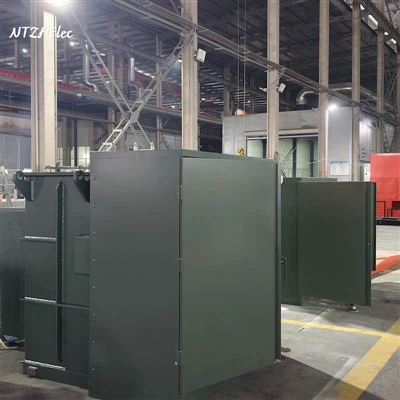
Thermal expansion is a critical consideration in the design, installation, and maintenance of transformer radiators. By understanding the principles of thermal expansion and taking appropriate measures to address it, we can ensure that the radiators operate effectively and safely, providing reliable heat dissipation for the transformers.
Transformer Radiator If you are in the market for a transformer radiator and are concerned about thermal expansion considerations, I encourage you to reach out to us. Our team of experts can provide you with detailed information about our products and how they are designed to handle thermal expansion. We are committed to providing high-quality radiators that meet the specific needs of our customers. Contact us today to start a discussion about your requirements and how we can help you find the right solution.
References
- ASME Boiler and Pressure Vessel Code, Section VIII, Division 1: Rules for Construction of Pressure Vessels.
- IEEE Standard C57.12.00-2010: General Requirements for Liquid-Immersed Distribution, Power, and Regulating Transformers.
- Manufacturer’s technical literature on transformer radiators and materials used in their construction.
Nantong Zhihe Electric Co., Ltd.
As one of the most professional transformer radiator manufacturers and suppliers in China, we’re featured by quality products and low price. Please rest assured to wholesale cheap transformer radiator made in China here from our factory. Customized orders are welcome.
Address: NO.202 Jianghai West Road, Hai’an Town, Hai’an City, Jiangsu Province
E-mail: colt.ntzh@gmail.com
WebSite: https://www.ntzhelectric.com/
