When you’re in the explosive transport truck supply business, you don’t just sell vehicles—you sell peace of mind, especially when your clients operate in flood-prone regions. I’ve spent the past 18 years working with mining, construction, and public works teams in areas like the Mississippi Delta, parts of Southeast Asia, and the coastal regions of Australia, where flash floods and seasonal deluges aren’t just risks—they’re part of the daily operational landscape. Over that time, I’ve learned that transporting explosives in these zones isn’t just about following standard hazardous materials (HazMat) rules; it’s about building transport systems that can withstand flood conditions, mitigate secondary hazards, and adapt to the unique challenges of terrain that shifts when water rises. Let’s break down exactly what’s required, from the truck itself to the protocols your team follows, to keep everyone—and the environment—safe. Explosive Transport Truck
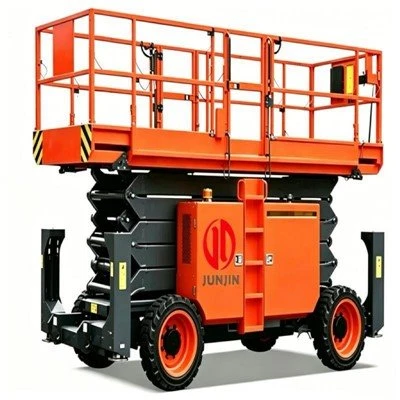
First, the truck’s structural integrity has to be non-negotiable. Standard explosive transport trucks are built for road travel, but flood zones demand a different level of durability. For starters, the chassis needs to be corrosion-resistant. Regular steel chassis will rust through when exposed to brackish floodwater, mud, and the road salt that’s often used to melt residual water on paved routes. That’s why our standard flood-adapted trucks use hot-dipped galvanized steel for the undercarriage and high-strength aluminum alloy for the body framework. But it’s not just about resisting rust when wet—we’ve seen too many trucks get stuck in floodwaters, leading to hazardous spills or even detonations from submerged wiring. The minimum ground clearance for these trucks can’t be the standard 10 inches; we recommend a minimum of 18 inches to navigate standing water that can reach 12 inches deep without submerging critical components. We also reinforce the fuel tank, hydraulic lines, and electrical control panels with water-tight steel enclosures that are rated for full submersion for up to 72 hours—far longer than most flash flood events last, but enough to cover a client if they get stranded mid-transport.
Next, the cargo compartment itself—where the explosives are stored—has to meet strict flood-specific standards. Traditional explosive compartments are designed to be ventilated to prevent the buildup of explosive fumes, but in flood zones, that ventilation becomes a liability. If floodwater seeps through vents, it can soak into explosive materials, rendering them unstable. We partner with explosive safety engineers to design compartments that are completely sealed, with pressure relief valves that only open if internal pressure exceeds a safe threshold (not to let water in, but to vent fumes in case of a minor incident). These compartments also have a secondary, removable inner liner made of heavy-duty polyethylene, so if any water does get in, it can be drained quickly without damaging the core structure. We also add foam insulation that’s water-resistant to keep the cargo at a stable temperature—extremes in heat (common in post-flood conditions) can make some explosives more sensitive to shock. We’ve tested these compartments in controlled flood tanks, and even when submerged for 48 hours, the internal temperature stays within the manufacturer’s recommended range for most commercial explosives.
Beyond the physical structure, the truck’s systems need to be able to operate when power and communication grids fail—something that happens all too often during floods. GPS and telematics are standard on most transport trucks now, but in remote flood zones, cell service is spotty at best. That’s why our flood-adapted models include a redundant satellite communication system, not just for tracking the truck, but for sending real-time alerts if the cargo compartment’s temperature or moisture levels spike. We also install a manual override for all critical systems—brakes, door locks, and cargo compartment seals—so if electronic controls fail due to water damage, the driver can operate them without power. During Hurricane Ian in 2022, one of our clients in Florida had a truck stuck on a rural road when floodwaters hit; the satellite system let them monitor the cargo, and the manual brakes kept the truck from sliding into a washout, all without cell service. That’s the kind of backup that isn’t an extra—It’s a requirement.
Then there are the operational requirements that go hand-in-hand with the truck’s design. You can have the safest truck in the world, but if your team doesn’t follow flood-specific protocols, you’re still at risk. First, route planning can’t be a last-minute task. In flood-prone regions, roads can wash out in hours, so drivers need pre-approved alternate routes that are documented for both normal and flood conditions. We work with our clients to map these routes using hydrological data from local meteorological services—information that’s updated weekly during flood season. Drivers also need to carry portable water levels detectors, so they can test standing water on roads before proceeding; if the water is deeper than the truck’s ground clearance, they have to wait for it to recede or take a different route. We also require clients to have a pre-flood emergency response plan that includes a designated secure location to park the truck if a flood warning is issued. These locations can’t be low-lying parking lots—they have to be elevated (at least 2 feet above the 100-year flood level) with access to dry fuel and backup power for the truck’s systems.
Another critical operational requirement is training. Standard HazMat training for explosive transporters doesn’t cover flood-specific hazards. We’ve developed a specialized course in partnership with the International Association of HazMat Carriers that teaches drivers how to identify flood risks, how to handle a truck stuck in water, and how to respond to a water breach in the cargo compartment. The course includes simulations of flash floods and submerged compartments, so drivers know exactly what to do if they find themselves in that situation. For example, if a driver detects water in the cargo compartment, they’re trained to move the truck to high ground immediately, drain the compartment using the built-in drain valve (which we install on all our flood-adapted trucks), and notify local emergency management before attempting to unload the explosives—because unloading in a flood zone is a major safety risk. We also require annual refreshers for all drivers, since flood patterns can change as climates shift.
Environmental compliance is another layer that’s non-negotiable when transporting explosives in flood-prone areas. In many regions, regulators like the U.S. Environmental Protection Agency (EPA) or the EU’s ECHA have specific rules for hazardous material transport in flood zones. For example, if an explosive spill occurs during a flood, the materials can contaminate drinking water sources, agricultural land, and wildlife habitats. Our trucks include spill response kits that are stored in a water-tight compartment, with absorbent materials rated for explosive materials, neutralizing agents for common commercial explosives, and personal protective equipment (PPE) that’s water-resistant. We also design the cargo compartment to contain any spill—even a catastrophic one—for up to 1,000 liters of fluid, so if the explosives’ packaging breaks, water or fuel from the truck can’t mix with the spilled material and spread into the environment. Many local regulatory bodies require that transport companies have a spill response plan on file that includes these measures, and our trucks are built to meet those exact specifications.
I’ve seen firsthand what happens when these requirements are skipped. A few years ago, a mining company in a flood-prone region of Colombia used a standard transport truck to move explosives during a rainy season. The truck got stuck in a flash flood, the electrical system shorted out, and the cargo compartment’s vents let water in, soaking the explosives. When the driver tried to move the truck, the rough roads caused the unstable explosives to detonate, killing two workers and destroying a section of the road. That’s why we don’t just sell trucks—we work with clients to make sure every piece of the puzzle, from the truck’s build to their team’s training, aligns with flood-specific requirements. It’s not just about following rules; it’s about preventing tragedies.
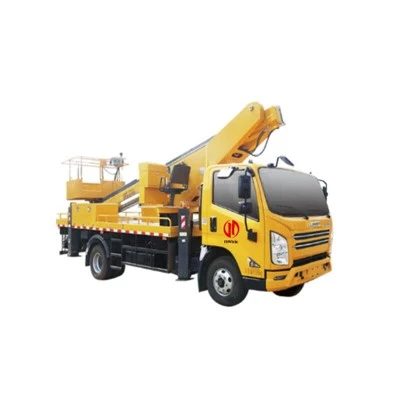
If you’re a operator in a flood-prone area, or you’re looking to update your fleet to meet these standards, I can help. We don’t just offer custom explosive transport trucks built for flood conditions—we also provide the training, route planning support, and emergency response resources you need to keep your operations safe. Every project we take on is tailored to the specific region’s flood risks, whether that’s seasonal monsoons in India, flash floods in the Rocky Mountains, or tidal surges in Southeast Asia. We test each truck in real-world flood simulations, so you can be confident it will perform when you need it most. Don’t wait until a flood warning is issued to update your fleet. Contact our team today to discuss your needs and get a custom solution for your explosive transport operations in flood-prone areas.
Used Scissor Lift References
- International Association of HazMat Carriers. (2021). HazMat Transport Protocols for Flood-Prone Regions. Global Standards for Hazardous Materials, 12(3), 45-62.
- U.S. Environmental Protection Agency. (2022). Hazardous Material Spill Response in Flood Zones. Office of Emergency Management, EPA Report 2022-0047.
- Australian Road Transport Association. (2020). Vehicle Design Standards for Explosive Transport in Coastal Flood Zones. Australian HazMat Guidelines, 18(2), 112-128.
- European Chemicals Agency. (2021). Flood Adaptations for Hazardous Cargo Transport Vehicles. ECHA Regulatory Document REV-2021-09.
- Global Mining Safety Alliance. (2022). Case Studies: Explosive Transport Incidents in Flood-Prone Mining Regions. Safety Report Series 14, 78-95.
Yantai Quanrui International Trading Co., Ltd.
As one of the most reliable explosive transport truck manufacturers and suppliers in China, we’re featured by high quality customized products. Please rest assured to buy discount explosive transport truck made in China here from our factory. Contact us for pricelist and quotation.
Address: No. 278, Sanya Road, Gaotuan Town, Fushan District, Yantai City, Shandong Province, China
E-mail: Info@quanjin1588.com
WebSite: https://www.qr1588.com/
