Hey there, art squad, small business owner, or random person scrolling who’s got a messy craft corner—let’s cut to the chase: if you’ve ever stared at that stack of beat-up, extra waste bins (y’know, the ones no one needs for actual trash) and thought “wait, could these hold my paint tubes, markers, or that random bag of glitter?”, you’re in the right spot. Full disclosure first: I’m not just some art bro talking outta my ass—I run a small waste bin supply company, and y’all’d be shocked how many of our regulars (plus some wild side customers) hit us up asking exactly this question. So let’s break it down real, no fancy corporate jargon, no “it depends” cop-outs. Waste Bin
First, let’s get one thing straight: waste bins aren’t just for banana peels or pizza boxes. I’ve seen ’em repurposed as planters, coolers for beach days, even dog crates for pups that hate being in tiny metal kennels—so why not art supplies? But before you toss your $50 paint brush set into a random bin from the curb, there’s some actual science and real-world stuff to check. Let’s start with the most basic part: what’s the bin even made of?
Most standard waste bins we supply are either high-density polyethylene (HDPE) plastic or galvanized steel, right? Let’s talk HDPE first, because that’s like 80% of what we sell. HDPE is weirdly tough— it’s chemical-resistant, right? Wait, no, actually it’s most chemical-resistant, but not all. Let’s test this: if you spill acrylic paint on an HDPE bin, does it stain? Wait, no, acrylic is water-based, so a quick wipe with a damp cloth gets that right off. What about oil-based paint? Oh, that’s where it gets tricky. Oil-based pigments and solvents can break down some plastics over time, even HDPE, especially if you leave them sitting for weeks. We’ve had a customer who used a basic HDPE bin to store half-used oil paint tubes, and after a month, the bin had a weird sticky residue that wouldn’t come out—turns out the solvent in the paint leached a tiny bit of plasticizer, making that goop. Not a huge deal if it’s just a storage bin, but worth noting.
Now steel bins—galvanized steel, not stainless, which is a whole other thing. Galvanized steel is coated with zinc to keep it from rusting, which is fine for holding trash, but what about art stuff? If you’re storing things like watercolor pans, markers, yarn, even fabric scraps, steel’s fine—those don’t corrode metal. But if you’ve got anything that’s even slightly acidic? Like those old linseed oil rags (don’t store those anywhere, by the way, that’s a fire hazard—side note, never leave oily rags piled up in a bin, steel or not) or maybe some printmaking chemicals? Acidic stuff will eat through the zinc coating, cause rust, and then that rust can stain whatever’s inside. I’d say steel bins are great for dry art supplies, but skip ’em for anything wet or chemical-heavy if you don’t want your markers covered in brown gunk.
Next up: size and shape. This is where being a bin supplier actually gives me a leg up over, like, a random craft blogger. We’ve got bins that are tiny—like 5-gallon ones perfect for holding small supplies, marker sets, paintbrushes. We’ve got 30-gallon and even 55-gallon ones that can fit whole sets of canvases, bulk paint bottles, that huge bag of acrylic pouring medium, even a portable easel. The key here is not just how much stuff fits, but how easy it is to get to that stuff. A lot of bins have lids, right? Do you want a lid? If you’re storing stuff in a closet or a craft room where dust might get on your paint tubes, a lidded bin is a no-brainer. We’ve had a lot of home artists go for our swing-top bins for this—they snap shut, keep dust and cat hair (I see you, people who work with pets) out, and are easy to yank open when you’re grabbing a paint tube mid-project. If you’re gonna leave the bin out on a table or craft desk, maybe skip the lid? Or get one with a hinge that doesn’t get in the way. We also make bins with built-in slots on the side now—wait, not for trash, we added those for people who wanted to stick paintbrush handles through so they don’t all fall over. That’s a little hack we came up with after a graphic designer bought 20 bins for his studio and started messing around with customization.
Wait, what about moisture? That’s a big one for art supplies. A lot of paints, especially water-based, markers with ink, even paper stencils—all hate too much moisture. If you’re storing your art supplies in a bin that’s in a damp basement (I see another one), you’re gonna get mold on paper, dried-up ink in markers, even paint tubes that start to rust at the caps. HDPE is water-resistant, but not waterproof if it’s got cracks or the lid isn’t sealed tight. Steel? If it’s damp, even galvanized steel can rust over time, especially if there’s a scratch in the coating. So if your storage spot is damp, maybe avoid open-top bins, and get one with a tight lid. Also—pro tip from experience, not a science paper—put a cheap silica gel packet (the ones that come in shoe boxes, or you can buy bulk at craft stores) at the bottom of the bin. It soaks up any excess moisture, and it’s way cheaper than replacing a whole set of water-damaged markers.
Now, let’s talk about the elephant in the room: is this actually better than, like, a plastic tub from the dollar store? Oh, hell yes, for a few reasons. First, our bins are built to last. A dollar store tub might crack after a month of yanking it open and shoving supplies in—our bins? We test them to hold 50 pounds without bending, some even more. Second, most of our bins are made from recycled plastic, so if you’re into that whole low-waste thing, this is a way to reuse something that would otherwise go to the landfill (wait, that’s the irony—we sell waste bins, repurpose them for storage, it’s a whole circle). Third, they’re uniform. If you’ve got a craft room, stacking a bunch of same-sized bins looks way cleaner than a bunch of random mismatched tubs. We’ve had a couple of studio owners who use our bins exclusively for all their supply storage, and they say it cut their setup time by like 20% because everything is labeled by bin size and type.
But wait, there are some caveats I can’t skip. First, don’t store anything flammable in them. I know, you might think “acrylic paint isn’t flammable” (it’s not, when dry) but oil-based paint, linseed oil, printmaking solvents—those are flammable, and if they’re stored in a bin that’s made of plastic or steel, that’s a fire hazard. I’m not here to scare anyone, just say: keep those in a cool, well-ventilated area, not tucked away in a bin under your workbench. Second, don’t overstuff them. Even the toughest bin will crack if you jam 50 pounds of supplies into a 10-gallon bin. We see this all the time—customers get overexcited, toss a bunch of stuff in, and the lid won’t close. Don’t force it, that’s how bins break. Third, if you’re using a bin that was previously for actual waste (like a trash bin you pulled from the curb), do a deep clean first. Hot water, dish soap, a little bleach if it’s got strong odors, let it dry completely. You don’t want old food gunk or cleaning product residue getting on your markers or paint. We always tell our customers that if they’re repurposing a bin they already have, give it a full scrub before using it for supplies.
Now, let’s get personal here. I’ve got a friend who’s a tattoo artist, and he uses our 20-gallon HDPE bins to store all his ink bottles, needles, stencil stuff. He says he tried fancy art supply cases, but they’re way too small and expensive—our bins are $15 each, hold 100 ink bottles, and he can wipe ’em down with isopropyl alcohol whenever they get messy. Another customer is a mom who does weekly craft nights with her kids, and she uses our stackable bins to separate markers, crayons, glue sticks, and paper. She says it’s way easier than grabbing a random bag of supplies, and no more crayons rolling all over the floor. The wildest one? A street artist who uses our 55-gallon bins to carry his large-format spray paint cans, stencils, and even a small folding stool to pop up on at murals. He says they’re rugged enough to get tossed around in the back of his van, and he doesn’t have to worry about his spray cans getting crushed.
Wait, let’s circle back to the original question: “Can I use a waste bin for storing art supplies?” The short answer is: hell yeah, if you pick the right bin, treat it right, and avoid the stuff that will mess it up or your supplies. The longer answer is: it’s not just possible, it’s actually a great, cheap, durable alternative to fancy art storage stuff, especially if you’re someone who goes through a lot of supplies or needs to store bulk stuff.
Now, if you’re reading this and you’re like “alright, this sounds perfect for my studio, my craft room, my kid’s art stuff” — hit us up. We’ve got all kinds of sizes, materials, lids, even customizable ones if you want to add a little logo or just make it fit your space. No BS, no minimum orders if you just need one bin for your home. We’re here to help, whether you’re a one-person artist just starting out, a small studio, or even a school that needs bins for their art program.
Before I go, let’s recap the quick do’s and don’ts, just to make sure you don’t mess up: Do pick HDPE for wet or water-based supplies, steel only for dry stuff. Do add silica gel if your storage spot is damp. Do deep clean any pre-used bin before switching it to art. Don’t store flammable stuff in bins. Don’t overstuff. Don’t use cheap curbside bins without cleaning them first.

And that’s it. No fancy science, no corporate jargon, just real talk from a guy who sells waste bins and has seen them do way more than hold old pizza boxes. If you need more info, or wanna order a bin that works for your art setup, reach out. We’re here.
Stainless Steel Soap Dispenser References
- American Chemical Society. (2021). Chemical resistance of common thermoplastics. Retrieved from industry technical databases on polymer material properties
- Occupational Safety and Health Administration (OSHA). (2022). Safe storage guidelines for flammable art materials. U.S. Department of Labor
- Craft and Hobby Association. (2020). Storage solutions for art and craft supplies: Durability considerations for plastic and metal containers
- U.S. Environmental Protection Agency (EPA). (2023). Extended life cycle of plastic and metal waste container repurposing for non-traditional uses
Fanda Hygiene Co., Ltd.
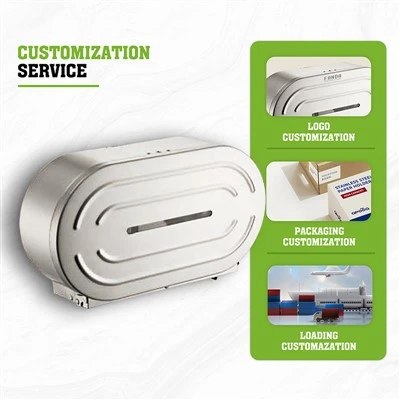
As one of the most professional waste bin manufacturers and suppliers, we also support customized service. With a professional production team, we are able to meet the needs of the majority of our customers. Welcome to wholesale bulk waste bin in stock here and get quotation from our factory.
Address: No.18-25, Changsheng Ln., Sec. 1, Huanzhong Rd., Beitun Dist., Taichung, Taiwan
E-mail: Sales03@fanda.com.tw
WebSite: https://www.fanda-hygiene.com/
