Hey everyone, let’s cut to the chase: I’ve been in the first aid kit game for over 7 years, and I can’t tell you how many times I’ve seen people buy a solid kit, toss it in a closet and forget about it, then panic when they actually need something and half the stuff is expired or broken. As a first aid kit supplier, I see this way too often, and it’s a total waste—because storing your kit right isn’t rocket science, but it makes all the difference when an emergency hits. Let’s break this down like we’re grabbing coffee, no fancy jargon, just real tips that actually work. First Aid Kits
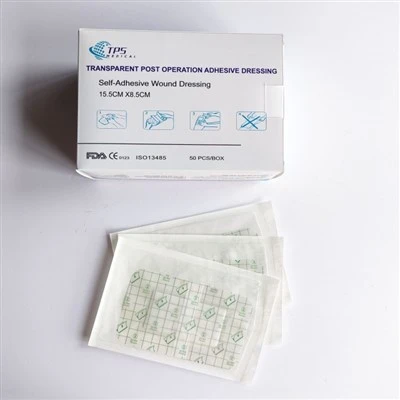
First up: pick the spot. I get it, closets are easy, but wait a second—where in the closet? Summer gets hot, right? And if you’re in a place where the AC cuts out for a week, that’s a problem. Most first aid supplies don’t do great with extreme temperatures. I learned this the hard way when a customer sent a note saying their antiseptic wipes were all goopy, and turns out they stored their kit right next to their water heater in the garage. Oops. So avoid spots that get too hot (like near heaters, ovens, attics that bake in summer) or too cold (freezers that dip below freezing, uninsulated garages in winter that might turn water-based meds into slush). What’s a better call? A cool, dry space that’s easy to grab in a pinch. I recommend under the kitchen sink—most people are already there when a kid scrapes their knee, or you spill something and burn your hand. Just make sure it’s up high enough that little ones can’t yank it down, and away from cleaning supplies (those fumes can mess with meds too, not to mention if a kid grabs both by mistake). Another good spot: the back of the linen closet in the bathroom? Wait, hold up—bathrooms get steamy when you shower, right? Steam + meds = not ideal, because moisture can cause bandages to stick together and creams to go bad faster. So if you do put it in the bathroom, keep it in a sealed hard case (not a flimsy bag) and tuck it somewhere away from the direct steam line. For you outdoor people—if you have a kit in your car or RV, same rule applies. Don’t leave it in the trunk in July heat, that’s basically a big first aid soup pot. Stash it in the passenger footwell or a cargo bin that’s shaded, and swap out any liquid supplies every 6 months because car temp swings are brutal.
Next: organize it like you mean it, not just a random pile of stuff. I see kits that are a mess—you dig through 10 bandages to find the only tube of burn cream, and by then the burn’s already worse. As a supplier, I design our kits with labeled compartments for this exact reason, but even if your kit is a random haul from the drugstore, a 10-minute sort is worth it. Grab a permanent marker and some little labels (or even just paper stuck with tape) and group things by use: wound care (bandages, antiseptic, tweezers), meds (pain relievers, allergy pills, antacids), injury-specific (crutch pads, cold packs, burn gel), and emergency stuff (gloves, face masks, emergency blanket). Put the most used stuff on top—band-aids for scrapes, pain pills, allergy meds—because those are the things you’ll grab first when someone gets a cut or has a runny nose from pollen. Pro tip: if you have little kids or pets, keep any oral meds in a childproof compartment, even if the kit is up high. Curiosity doesn’t take a day off, and you don’t want a trip to the ER because your kid found a bottle of ibuprofen. Also, throw in a small notepad and pen in there, so when you restock, you can write down what you used right away—no more forgetting that you used the last of the antiseptic wipes last month.
Now the big one: check expiration dates, and do this way more often than you think. I know, it’s annoying, but expired meds don’t just stop working—some can actually get harmful. Think about it: aspirin past its expiration might just do nothing, but something like an EpiPen (if you have one) that’s expired? That could be a disaster. How often should you check? I do this every 3 months, and I set a reminder on my phone so I don’t forget. It takes 10 minutes, trust me. When you check, toss anything that’s expired, and don’t just shove new stuff back—add it to your notepad so you don’t double-buy. Also, a quick note on those little foil-wrapped bandages or antiseptic wipes: if the wrapper is torn or looks crinkly, that stuff is probably no good, even if the date is fine. Moisture got in, so toss it. I’ve had customers save a torn pack of wipes “just in case” and then wonder why they can’t clean a cut—don’t be that person. And if you use a bulk supply to top up your kit (like buying a big box of acetaminophen from Costco to refill), make sure you transfer it to the original small bottles or packages with expiration dates, not just a random bag. That way you always know when it goes bad.
Wait, what about different types of kits for different spots? Because a car kit is way different than a home kit, right? I can’t tell you how many people have a “one size fits all” kit that’s useless for the garage or their hiking backpack. For home, you want a kit that’s a bit bigger—add things like a digital thermometer, a splint for broken fingers, maybe some oral rehydration salts if someone gets sick with stomach bugs. For your car, keep it compact, skip the thermometer, add a tire gauge? No, wait, first aid only—add a emergency road triangle, a pair of work gloves, a small flashlight with extra batteries, and a cold pack for sprains if you get in a fender bender. For hiking or camping, you need stuff that’s water-resistant, and maybe a snake bite kit if you’re in an area with snakes, plus more bandages for blisters. But here’s the storage rule for all of these: whatever you use for a portable kit, don’t leave it in there forever. Swap out liquid supplies every 6 months, because temp swings in a car or backpack will make them go bad faster. I recommend labeling each kit clearly, like “Car Kit 2024” so you don’t mix it up with your home stuff.
Another common mistake: restocking wrong. When you use something, don’t just toss the empty wrapper and forget it. I see this all the time—someone uses a bandage for a scraped knee, and then a month later, their kid falls and they have no bandages. My rule is: as soon as you finish a tube of burn cream or use the last allergy pill, add it to your Amazon cart or whatever you use to shop for supplies, so you restock right away. Don’t wait until you’re out and panicking. Also, if you get a new supply, put the oldest stuff in the front, new in the back—like a grocery store. That way you use the stuff that’s closest to expiring first, so nothing goes to waste. I’ve saved my customers a ton of money over the years by reminding them of this simple trick—no more throwing out expired meds just because you forgot they were there.
What about weird, easy-to-forget things in kits? Like face masks, gloves, emergency blankets. Do you have enough of those? And are the emergency blankets still intact? A lot of people keep a few in their kit but never check if they’re torn. If you have a family of 4, you need at least 4 face masks, right? Don’t just have one for each person. And if you have pets, add a small pet first aid section—antiseptic that’s safe for dogs, a muzzle (even a nice one, not the scratchy kind), tweezers for ticks. I get a lot of requests from pet owners for these, and honestly, it makes sense—your pup can get hurt too, and you don’t want to have to rush to the vet for a small cut because you don’t have the right stuff at home.
Wait, let’s talk about common myths, because I hear these all the time. Myth 1: “Expiration dates are just a suggestion.” No, for most over-the-counter meds, that date is the last day the manufacturer guarantees they’re fully potent and safe. Some meds, like antibiotics, go bad way faster than the date says, but even things like pain relievers can lose 20% of their strength after the date, which might not sound like a lot, but if you’re in pain, that’s a big difference. Myth 2: “I can store my kit in the glove box, it’s fine.” Glove boxes get hot, but they’re better than the trunk. Just swap out liquid supplies twice a year, instead of once. Myth 3: “I don’t need a kit because I have a phone.” Yeah, your phone is great for calling 911, but it won’t stop the bleeding from a cut until help comes. Don’t skip the kit, even if you have a reliable cell service.
Now, let’s get real about what happens if you mess this up. Last year, a customer brought their kit back to us—said their antiseptic wipes were moldy, their pain pills expired two years prior, and the bandages were all stuck together. They had a kid with a fever, and they couldn’t find any fever reducers. They had to run to the store in the middle of the night, which could have been avoided if they’d checked the kit once a quarter. Another customer: their car kit was in the trunk, left in 100-degree heat, and when they got a flat tire and their hand slipped, they couldn’t find the burn cream because it melted into a goop in the bottom of the case. Stuff like this makes my job worth it, because I know a good kit stored right can prevent these headaches.
Here’s the part I always bring up for fellow kit owners: customizing your kit to your life. If you have a baby, you need pediatric bandages and infant fever reducers. If you have asthma, add an extra inhaler (check the expiration date on that monthly, please). If you play sports, add athletic tape and blister pads. Your kit shouldn’t be a one-size-fits-all, and how you store it should fit your routine too. For example, if you’re a busy parent, set a reminder on your calendar for the first Sunday of every quarter to do a kit check—make it a quick task, like folding laundry, not a big chore.
As a first aid kit supplier, I will say this: if you’re buying a pre-made kit, make sure it’s got quality stuff, but even the best kit won’t work if you store it wrong. That’s why we include a little storage guide in every kit we ship—nothing fancy, just the basics I’m telling you here, plus tips specific to each kit (like our car kit has a note to swap liquid supplies every 6 months, our home kit has a checklist for pediatric vs. adult meds). But even if you bought your kit from somewhere else, these tips apply.
Before I wrap this up, let’s do a quick recap so you don’t forget: 1. Pick a cool, dry spot away from extreme temps and steam, easy to reach but out of little hands. 2. Organize by use, most used stuff on top, label it so you can find things fast. 3. Check expiration dates every 3 months, toss anything expired or torn, replace right away. 4. Customize for where you use it (home, car, outdoor) and swap portable kit supplies more often. 5. Don’t restock randomly—use the first-in, first-out rule for new supplies.
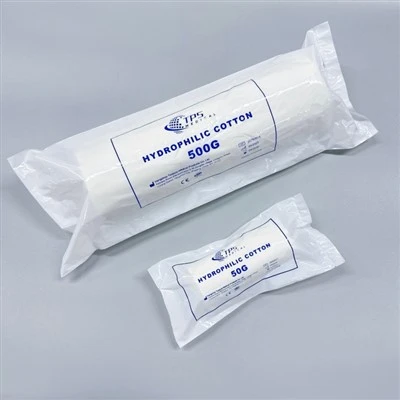
Now, if you’re in the market for a new kit (maybe yours is expired, or you need one for your car, or you want to upgrade your home set), or you need bulk kits for a business, office, or sports team, hit us up to chat. We can help you pick what’s right for your needs, no pressure, no gimmicks. We’ve got kits for every situation, and we stand behind every product we sell—so you can be sure when you need it, it works.
Individual First Aid Kit (IFAK) References:
- American Red Cross. "First Aid Kit Essentials and Storage Tips." Red Cross, 2023.
- U.S. Food and Drug Administration. "Expiration Dates: What They Mean for Your Medicines." FDA, 2022.
- Occupational Safety and Health Administration. "Workplace First Aid Kits: Requirements and Best Practices." OSHA, 2021.
- National Safety Council. "Storing First Aid Supplies Safely at Home and On the Go." NSC, 2023.
Hangzhou Tuopusi Medical Products Co., Ltd.
As one of the most professional first aid kits manufacturers and suppliers in China, we offer a wide range of products with superior quality. Please feel free to wholesale bulk customized first aid kits at competitive price from our factory. Also, free sample is available.
Address:
E-mail: sales@tpsmedic.com
WebSite: https://www.medressing.com/
