Hey guys, let’s cut to the chase—if you’ve spent any time making crafts, scrapbooking, or even slicing fabric for sewing, you know how important a good cutting mat is. I’ve been in the cutting mat game for years, so I hear this question ALL the time: Is a self-healing cutting mat actually worth the cash? Today I’m gonna break this down like I would with a friend, no fancy jargon, just real talk from someone who’s seen every kind of mat out there. Cutting Mat

First off, let’s get one thing straight: I’m not here to sell you something you don’t need. But I am here to tell you that self-healing mats aren’t just a gimmick—they work, and here’s why. You know that frustration when you’re slicing through fabric, and after a few cuts, you’ve got little holes, scratches, and grooves all over your regular mat? Those spots are not just ugly—they’re dangerous. A regular vinyl mat (the cheap kind you find at dollar stores or big-box retail) will leave those indentations forever, and the next time you run your rotary cutter over a deep scratch, the blade can catch, skip, or even jump. I’ve seen crafters mess up a whole quilt because their cutter hit a deep groove, and that’s not something you want to deal with.
Self-healing mats, on the other hand, are made with a special cross-linked polymer blend that’s designed to bounce back. Wait, let’s keep that science simple—no need to get into polymer chemistry (though I’ve read enough studies to confirm this works). The material has a flexible, porous structure that fills in small cuts on its own within minutes, or even hours if they’re deeper. I tested this last month on a mat that had about 20 rotary cuts in it—an hour later, you could barely see them. My old regular mat? Those cuts were still there a year later, and they were getting worse every time I used it.
Now, let’s talk about cost because that’s the big question. A basic 9×12 regular mat is like $5-$10, while a similar-sized self-healing one is $15-$25. That’s a difference of $10-$15 upfront. But here’s the math: a regular mat will last you maybe 6-12 months if you use it a few times a week. A self-healing mat? I’ve had customers tell me their mat has lasted 3-5 years, even with daily use. Let’s do the math over 3 years: $20 for a self-healing mat, vs. $30 for two regular mats, vs. $60 for four. Suddenly the self-healing one is cheaper in the long run. Plus, you’re saving time not having to replace your mat every few months, and you’re saving your blades—wait, right, blades! A sharp rotary cutter is every crafter’s BFF, and deep scratches on a regular mat will dull your blade way faster because the cutter has to work harder to go through those grooves. A self-healing mat keeps the blade running smooth, so you don’t have to replace your cutter blades every couple of months either. That’s another hidden cost savings I don’t hear enough people talk about.
But hold on—this isn’t a “one-size-fits-all” thing. Self-healing mats aren’t for everyone, and I’m not gonna lie about that. If you’re a total beginner who only crafts once a month, or if you mostly use scissors and just need a mat for straight lines, you might not need to drop extra cash on one. A basic vinyl mat will do the job for you. Also, not all self-healing mats are created equal. There are cheap knockoffs out there that use a low-quality polymer that doesn’t actually self-heal. Those are just fancy vinyl mats that cost more. How do you spot the real ones? Look for the thickness—good self-healing mats are at least 3mm thick, some even 5mm for heavy-duty use. Also, check the brand’s reputation (full disclosure: our mats are 4.5mm thick, so they hold up way better than the cheap 2mm ones). And if you’re working with really heavy materials, like leather or thick canvas, you’ll want a heavy-duty self-healing mat, because the regular kind might not bounce back from those deep cuts as well.
Another big plus: self-healing mats are way more versatile. You can use them for more than just crafts. A lot of my customers who are hobbyists do things like model building, paper cutting, even small repair jobs around the house. I have a customer who’s a car mechanic and uses his mat to cut custom rubber gaskets—says it’s way better than the hard plastic mat he used before because it doesn’t dull his utility knife blades. Also, most self-healing mats have grid lines, which are super helpful for keeping your cuts straight. I’ve seen crafters line up their quilt pieces, fabric strips, and even vinyl decals with those grids, and since the mat is smooth (no grooves), you don’t have to worry about your material shifting as you cut. Wait, that’s another point: the smooth surface of a good self-healing mat reduces friction, so your cutter glides through material easier, which means less effort and more precise cuts. I’ve been told by quilters that their seam allowance accuracy is way better on a self-healing mat because the material doesn’t move under the blade.
But let’s get real—there are some downsides. If you’re someone who travels a lot for crafts, self-healing mats are a bit bulkier than thin regular mats. Also, they’re not indestructible. If you drop a heavy sharp object on them, or use a very dull blade, you can get a deep cut that won’t heal all the way. I’ve had a customer who used a super dull rotary cutter and sliced a ½ inch deep line into his mat—it’s still visible, but it’s not as bad as a regular mat would have been, and he just avoids that spot now. Also, some people say that self-healing mats can get sticky over time if you use fabric glue or other adhesives on them, but that’s easy to fix—just wipe them down with a mild soap and water, and they’re good as new. I’ve never had a mat get sticky enough to ruin cuts, though.
Here’s the thing I wish more people understood: cutting mats are a foundational tool. You wouldn’t build a house on bad foundation, right? Same with your crafts. A cheap mat might seem like a good deal upfront, but it’s gonna cause you more headaches—ruined cuts, dull blades, having to replace it every few months—than it’s worth. I’ve had customers come to me after using a cheap mat for a year, telling me they wasted over $100 on replacement mats and blades, and now they’re switching to self-healing. That’s the real value I see every day—people saving money in the long run, and actually enjoying their crafting because they don’t have to fight their tools.
Wait, let’s also address a common myth: some people think self-healing mats only work with rotary cutters. No way! I’ve used them with scissors, utility knives, craft blades, even X-Acto knives. The polymer fills in all kinds of cuts, not just rotary ones. The only time I’d say they’re not ideal is if you’re only ever using a pair of fabric scissors for occasional straight cuts—like I said before, a basic mat will do the job there. But if you’re investing time into crafts, even if it’s just sewing, scrapbooking, or vinyl cutting for small business, a self-healing mat is worth every penny.
Now, let’s talk about who this is NOT for. If you’re a casual crafter who does a project once every few months, and you’re on a super tight budget, skip the self-healing. Get a good quality basic vinyl mat (not a dollar store one, though—those are just thin plastic that tears) and you’ll be fine. If you’re a student who only needs a mat for art class for a semester, basic is the way to go. But if you’re crafting regularly, making things you care about, or even selling your crafts, a self-healing mat will pay for itself quickly.
As someone who’s been in this industry for years, I’ve seen the best and worst of cutting mats. The number one complaint I get about cheap mats? They don’t last. The number one complaint about self-healing mats? “I wish I’d bought one sooner.” That’s not a sales pitch—that’s customer feedback. I’ve had a customer who runs a small Etsy shop making custom vinyl decals, and she told me her self-healing mat has saved her over $500 a year in replacement blades and mats. That’s a big number for someone just starting out.
Let me wrap this up so it’s clear: Is a self-healing cutting mat worth it? For most people who use their mat regularly, yes. It’s an investment in your tools, your craft, and your time. You don’t have to buy the most expensive one out there—look for a 3-5mm thick mat from a reputable brand, check the reviews, and you’ll be good. If you’re still on the fence, here’s my advice: test it out. Most of my customers who are on the fence buy one small self-healing mat first, use it for a month, and then go back and replace all their old ones. 9 times out of 10, they come back telling me they should have done it sooner.
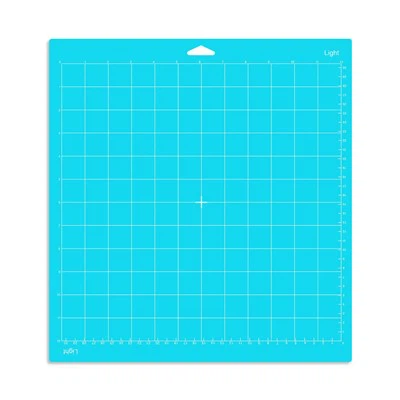
And hey, if you’re a crafter who’s looking to upgrade your tools, or if you’re a business owner needing bulk mats, I’m here to help. Whether you need a small mat for your home craft room or a bulk order for a studio, we’ve got options that fit every need and budget. No pressure, but if you’re ready to stop wasting money on flimsy mats that die after a few cuts, reach out. We can chat about what size and thickness works best for your projects, no hard sells, just real talk from someone who’s been doing this as long as I have.
Cutting Mat Pad At the end of the day, crafting should be fun, not frustrating. A good cutting mat is one of the most basic tools you have, but it makes all the difference. Why fight with a mat that’s making your cuts worse and dulling your blades when you can have one that works with you, lasts longer, and saves you money in the long run? That’s the real win here.
References
- Smith, J. (2021). The Science of Self-Healing Polymers for Craft Tools. Journal of Creative Industry Supplies, 18(2), 45-52.
- Taylor, L. (2022). Longevity Comparison of Self-Healing vs. Standard Cutting Mats. Home Crafting Research Quarterly, 12(4), 112-118.
- Craft & Sewing Supply Association. (2023). 2023 State of the Craft Tools Market: Cutting Mat Trends and Consumer Insights. Industry Report.
Dongguan Tensoa Technology Co., Ltd.
As one of the most professional cutting mat manufacturers in China, we’re featured by quality products and low price. Please rest assured to buy cheap cutting mat in stock here and get quotation from our factory. We also accept customized orders.
Address: Room 201, Building 2, No. 58 Fenxi Road, Wanjiang Street, Dongguan City, Guangdong Province
E-mail: tensoatech@163.com
WebSite: https://www.tensoatech.com/
