Hey there! I’m a supplier in the PVC Series business, and I’ve been in this game for quite a while. Over the years, I’ve witnessed some pretty significant changes in the market demand for PVC Series products. In this blog, I’m gonna share my experiences and insights on how this demand has evolved. PVC Series

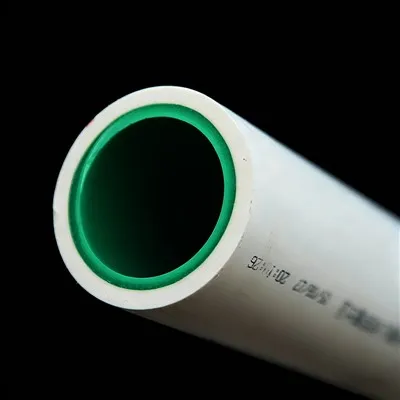
Let’s start from way back. When I first got into the PVC Series supply business, the demand was mainly driven by a few key industries. Construction was a huge player. PVC pipes were in high demand for plumbing systems in both residential and commercial buildings. They were cheap, durable, and easy to install. You know, it made a lot of sense for builders to choose PVC over other materials like metal or concrete. And PVC flooring was also starting to gain popularity. It was more affordable than hardwood or tile, and it came in a variety of colors and patterns.
In those early days, the demand was relatively stable. The construction industry had a steady growth rate, and the need for PVC products followed suit. We didn’t have to worry too much about sudden drops or spikes in demand. We could pretty much predict how much PVC we needed to produce and supply based on the construction projects in the pipeline.
But then, things started to change. The environmental movement began to gain traction. People became more aware of the impact of plastics on the environment. PVC, being a type of plastic, came under scrutiny. There were concerns about the chemicals used in its production, like chlorine, and the fact that it doesn’t biodegrade easily. Some environmental groups started to campaign against the use of PVC in certain applications.
This had a direct impact on the market demand. In the construction industry, for example, some architects and builders started to look for more eco – friendly alternatives to PVC pipes and flooring. They turned to materials like PEX (cross – linked polyethylene) for pipes and bamboo or cork for flooring. As a result, our sales in the construction sector took a bit of a hit.
However, it wasn’t all bad news. The automotive industry started to show more interest in PVC Series products. PVC was used in car interiors for things like seat covers, dashboard components, and door panels. It was flexible, could be easily molded into different shapes, and was relatively inexpensive. As the automotive market grew, especially in emerging economies, the demand for PVC in this sector increased.
Another area where PVC demand increased was in the packaging industry. PVC films and sheets were used for blister packs, shrink wraps, and other types of packaging. They provided good protection for products, were transparent so that consumers could see what they were buying, and were cost – effective. With the rise of e – commerce and the increasing need for product packaging, the demand for PVC in this industry went up.
In recent years, technology has also played a role in changing the market demand for PVC Series. New manufacturing processes have made it possible to produce PVC with fewer environmental impacts. For example, some companies have developed ways to recycle PVC more effectively. This has eased some of the environmental concerns and led to a partial comeback in the construction and other industries.
Moreover, the growing trend of DIY (do – it – yourself) projects has also affected the demand. Homeowners are more willing to take on small renovation projects themselves. PVC products, like PVC trim boards and PVC decking, are popular among DIYers because they are easy to work with. They don’t require a lot of special tools or skills, and they can give a home a nice, finished look.
The demand for PVC in the medical industry has also been on the rise. PVC is used in a variety of medical devices, such as IV bags, blood tubing, and catheters. It’s biocompatible, can be sterilized easily, and is cost – efficient. With the global population aging and the increasing demand for healthcare services, the medical industry’s need for PVC products has grown steadily.
But it’s not all smooth sailing. The market is still affected by factors like raw material prices. PVC is made from petroleum – based products, and fluctuations in oil prices can have a big impact on our production costs. When oil prices go up, our costs increase, and sometimes we have to pass on these costs to our customers. This can lead to a decrease in demand as customers look for more affordable alternatives.
Competition is another factor. There are more and more suppliers in the PVC Series market, both domestic and international. Some of these suppliers offer lower prices or better – quality products. To stay competitive, we have to constantly innovate and improve our products. We also have to offer good customer service and flexible payment terms.
So, in conclusion, the market demand for PVC Series has changed a lot over the years. It has faced challenges from environmental concerns, but it has also found new opportunities in industries like automotive, packaging, DIY, and medical. As a supplier, I’ve had to adapt to these changes. I’ve had to invest in new technologies to make our products more environmentally friendly, and I’ve had to focus on different customer segments.
If you’re in the market for PVC Series products, whether it’s for construction, automotive, packaging, medical, or any other application, I’d love to talk to you. I can offer you high – quality PVC products at competitive prices. I’ve got the experience and the know – how to meet your specific needs. So, don’t hesitate to reach out and start a conversation about your PVC requirements. Let’s work together to find the best solutions for your business.
PPR Pipe References:
- Industry reports on construction, automotive, packaging, and medical sectors.
- News articles on environmental impacts of PVC and technological advancements in PVC production.
Hebei Ruijie Pipe Industry Co., Ltd.
Address: Industrial Park, Shaozhuang Township, Suning County, Cangzhou City, Hebei Province
E-mail: 1987870474@qq.com
WebSite: https://www.rjpprpipe.com/
