Introduction to Textile Looms
A textile loom is a device used to weave cloth and tapestry. It holds the warp threads under tension to facilitate the interweaving of the weft threads. The basic purpose of any loom is to provide a means of keeping the warp threads under tension while the weft threads are inserted over and under them. Textile looms have evolved significantly over time, from simple hand – operated looms used in ancient civilizations to highly sophisticated, automated machines in modern textile industries. These modern looms can produce a wide variety of fabrics with different textures, patterns, and qualities, playing a crucial role in the global textile production chain. Textile Loom
1. Shandong Hongye Machinery Co., Ltd.
Shandong Hongye Machinery Co., Ltd. is a well – known enterprise in the textile machinery field. Based in China, the company is committed to the research, development, production, and sales of textile looms. It has a professional R & D team that continuously innovates and improves the performance of its products.
Features in Textile Looms:
- High – speed operation: The looms produced by Shandong Hongye Machinery Co., Ltd. can operate at a relatively high speed, which significantly improves production efficiency. For example, their latest models can reach a weaving speed of up to [X] picks per minute, allowing textile manufacturers to produce large quantities of fabrics in a short time.
- Precise weaving: They use advanced control systems to ensure precise weft insertion and warp tension control. This results in high – quality fabrics with uniform patterns and textures.
- Energy – efficient: The company pays great attention to energy conservation in its loom design. Their machines are equipped with energy – saving motors and optimized power management systems, reducing energy consumption during operation.
Advantages:
- Cost – effective: The company offers high – performance textile looms at a relatively affordable price. This makes them an attractive choice for small and medium – sized textile enterprises, especially those in developing countries.
- Customization: Shandong Hongye Machinery can customize looms according to the specific needs of customers. Whether it is for producing special fabrics or meeting specific production requirements, they can provide tailored solutions.
- Good after – sales service: The company has a comprehensive after – sales service network. They can provide timely technical support, spare parts supply, and maintenance services to ensure the normal operation of the looms.
Website: https://www.sdhymachinery.com/
2. Jakob Müller AG
Jakob Müller AG is a Swiss company with a long – standing reputation in the textile machinery industry. With a history dating back [number of years], it has accumulated rich experience in the development and production of high – precision textile looms.
Features in Textile Looms:
- Innovative technology: Jakob Müller is at the forefront of technological innovation. Their looms are often equipped with the latest digital control systems, which allow for real – time monitoring and adjustment of the weaving process. For example, the use of advanced sensors can detect and correct any weaving defects immediately.
- Versatility: These looms can handle a wide range of materials, including natural fibers, synthetic fibers, and high – performance fibers. They can be used to produce various types of fabrics, from fine silk fabrics to heavy – duty industrial textiles.
- Precision engineering: The company is known for its high – precision mechanical components. The parts of their looms are manufactured with extremely high accuracy, ensuring stable and reliable operation over a long period.
Advantages:
- Global reputation: Jakob Müller AG is widely recognized worldwide for its high – quality products. Its brand represents reliability and innovation, which gives it a strong competitive edge in the international market.
- Research and development strength: The company invests a large amount of resources in R & D. This allows it to continuously introduce new and improved products to meet the ever – changing market demands.
- Service network: It has an extensive global service network. Customers can easily get technical support and maintenance services, no matter where they are in the world.
3. Sulzer Textil AG
Sulzer Textil AG is a leading player in the global textile machinery market. Headquartered in Switzerland, it has a wide range of textile loom products that are well – known for their quality and performance.
Features in Textile Looms:
- Advanced rapier technology: Sulzer Textil is a pioneer in rapier loom technology. Their rapier looms offer high – speed and reliable weft insertion, suitable for the production of various fabrics, including woven fabrics for fashion, home textiles, and industrial applications.
- Automation and digitization: The looms are highly automated, with features such as automatic stop – motion systems for warp and weft breakages. They are also integrated with digital management systems, enabling efficient production planning and quality control.
- Weaving flexibility: These looms can easily adapt to different weaving requirements, such as changing fabric widths, patterns, and yarn types. This makes them suitable for both small – batch and large – scale production.
Advantages:
- Technology leadership: Sulzer Textil is often the first to introduce new technologies in the textile loom industry. This allows it to set the standard for product performance and quality.
- Long – term experience: With decades of experience in the field, the company has in – depth knowledge of textile production processes. This enables it to develop looms that are optimized for real – world manufacturing needs.
- Global customer base: It has a large and diverse global customer base, which gives it valuable feedback on product improvement. This feedback loop helps the company to continuously enhance its products.
4. Picanol Group
The Picanol Group is a Belgian company that has made significant contributions to the textile machinery industry. It is well – respected for its high – end textile looms.
Features in Textile Looms:
- Advanced air – jet technology: Picanol is a leading manufacturer of air – jet looms. Their air – jet looms offer high – speed weft insertion, with a low energy consumption rate. The advanced air – jet systems can ensure accurate weft placement, resulting in high – quality fabrics.
- Modular design: The looms have a modular design, which allows for easy customization and future upgrades. Customers can choose different modules according to their specific production needs, such as different shedding systems or weft insertion mechanisms.
- Quality assurance: Picanol uses high – quality materials and strict manufacturing processes to ensure the reliability and durability of its looms. Their products often come with a long – term warranty.
Advantages:
- Brand image: Picanol has a strong brand image in the textile industry. Its products are associated with high quality, precision, and innovation, which attracts customers from all over the world.
- Sustainable development: The company is committed to sustainable development. Their looms are designed to be energy – efficient and environmentally friendly, meeting the growing demand for sustainable textile production.
- Training and support: Picanol provides comprehensive training and support services to its customers. This includes on – site installation, operation training, and continuous technical advice.
5. Toyota Industries Corporation
Toyota Industries Corporation, a well – known Japanese company, is not only famous for its automobiles but also has a significant presence in the textile machinery sector.
Features in Textile Looms:
- Reliability: Toyota’s textile looms are known for their high reliability. They are built with high – quality components and undergo strict quality control during the manufacturing process. This results in looms that can operate continuously with minimal breakdowns.
- Advanced control technology: The company uses advanced control technology in its looms, such as servo – motor control systems. These systems allow for precise control of various parameters in the weaving process, resulting in consistent fabric quality.
- Ease of use: The looms are designed with user – friendliness in mind. They have intuitive control interfaces and simple operation procedures, which can reduce the training time for operators.
Advantages:
- Manufacturing expertise: Toyota’s long – standing experience in high – volume manufacturing gives it an edge in producing cost – effective and high – quality textile looms.
- Innovation culture: The company has a strong innovation culture. It continuously invests in R & D to introduce new technologies and improve the performance of its looms.
- After – sales support: Toyota provides excellent after – sales support, including remote monitoring services, which can help customers diagnose and solve problems in a timely manner.
6. Tsudakoma Corporation
Tsudakoma Corporation is a Japanese company that has been at the forefront of textile machinery manufacturing for many years.
Features in Textile Looms:
- Versatile weaving capabilities: Tsudakoma’s looms can handle a wide variety of weaving tasks. They can produce different types of fabrics, from lightweight shirt fabrics to heavy – duty industrial fabrics, with high efficiency.
- Energy – saving features: The company has developed several energy – saving technologies for its looms. For example, some of their models use energy – recovery systems during the weft insertion process, reducing overall energy consumption.
- High – speed operation: Their looms are capable of high – speed weaving, with fast weft insertion rates. This allows for increased productivity without sacrificing fabric quality.
Advantages:
- Japanese quality: Tsudakoma is known for upholding Japanese standards of quality and precision. Their products are reliable and long – lasting, which is highly valued by textile manufacturers.
- Continuous improvement: The company is constantly looking for ways to improve its products. It conducts extensive customer feedback surveys and research to enhance the performance and functionality of its looms.
- Global distribution network: Tsudakoma has a wide – spread global distribution network, which ensures that its products are readily available to customers around the world.
7. Itema S.p.A.
Itema S.p.A., an Italian company, is a leading producer of textile looms with a long – standing history in the industry.
Features in Textile Looms:
- Design and style: Italian design flair is evident in Itema’s looms. They not only offer high – performance but also have an aesthetically pleasing appearance.
- Advanced weft insertion systems: The company has developed advanced weft insertion technologies, such as projectile and rapier systems. These systems provide reliable and efficient weft insertion, suitable for different fabric types and production requirements.
- Smart manufacturing integration: Itema looms are often integrated with smart manufacturing concepts. They can be connected to industrial Internet of Things (IIoT) platforms, allowing for remote monitoring, data analysis, and predictive maintenance.
Advantages:
- Cultural heritage of craftsmanship: Italy has a rich cultural heritage of craftsmanship, and Itema benefits from this. Their looms are crafted with attention to detail and high – quality workmanship.
- Research and international cooperation: Itema actively engages in international research cooperation projects. This helps the company to stay updated with the latest global trends in textile technology and develop more competitive products.
- Industry influence: The company has a significant influence in the global textile machinery industry. Its technical standards and product innovations often set the benchmark for the industry.
8. Dornier GmbH
Dornier GmbH is a German company known for its high – tech textile looms. Germany is renowned for its engineering excellence, and Dornier lives up to this reputation.
Features in Textile Looms:
- High – precision manufacturing: Dornier’s looms are manufactured with extremely high precision. The mechanical parts are machined to very tight tolerances, ensuring smooth and accurate operation.
- Complex pattern weaving: The company’s looms are capable of weaving complex patterns. They can be used to produce high – value – added fabrics with intricate designs, such as jacquard fabrics.
- Robust construction: The looms are built with a robust construction, which allows them to withstand heavy – duty use in industrial production environments.
Advantages:
- German engineering quality: Dornier benefits from the German reputation for high – quality engineering. Its products are known for their reliability, durability, and advanced technology.
- R & D investment: The company invests a large amount in R & D to develop new weaving technologies and improve the performance of its looms. This enables it to stay ahead of the competition.
- Training and education: Dornier offers extensive training and education programs for its customers. This helps operators to fully utilize the capabilities of their looms and improve production efficiency.
9. Somet S.A.
Somet S.A., based in France, has been a key player in the textile loom manufacturing industry for a long time.
Features in Textile Looms:
- Sustainable weaving solutions: The company focuses on developing sustainable weaving solutions. Its looms are designed to reduce water and energy consumption during the weaving process, in line with the global trend towards sustainable textile production.
- User – centric design: Somet’s looms are designed with the end – user in mind. The control interfaces are easy to understand and operate, and the maintenance procedures are straightforward.
- Good for fine fabrics: Their looms are particularly suitable for the production of fine and delicate fabrics, such as silk and lace. They can ensure high – quality weaving of these fine materials.
Advantages:
- French elegance and innovation: Somet combines French elegance with innovation in its products. The looms not only perform well but also have an aesthetic appeal.
- Environmental awareness: The company’s commitment to environmental protection gives it a competitive edge in the market, especially as more and more textile manufacturers are looking for sustainable production solutions.
- Customer – oriented service: Somet provides highly customer – oriented service. It listens to the needs of its customers and offers customized solutions accordingly.
10. Linz Textil Maschinen GmbH
Linz Textil Maschinen GmbH is an Austrian company that has made its mark in the textile loom manufacturing field.
Features in Textile Looms:
- Specialized in certain textile types: The company specializes in manufacturing looms for specific types of textiles, such as technical textiles. Their looms are designed to meet the unique requirements of these specialized textile productions.
- Efficient space utilization: Linz Textil’s looms are designed to be compact, which can save a significant amount of floor space in textile factories. This is especially important for factories with limited space.
- High – quality components: They use high – quality components in their looms, ensuring long – term and stable operation.
Advantages:
- Niche market expertise: By focusing on specialized textile types, Linz Textil has developed in – depth expertise in this niche market. This allows it to provide highly specialized and high – performance looms.
- Local and global support: The company offers both local and global support to its customers. Whether it is through its local offices or a global service network, customers can get timely assistance.
- Adaptability to new trends: Linz Textil is quick to adapt to new trends in the textile industry. It can develop new looms or modify existing ones to meet the emerging demands of the market.
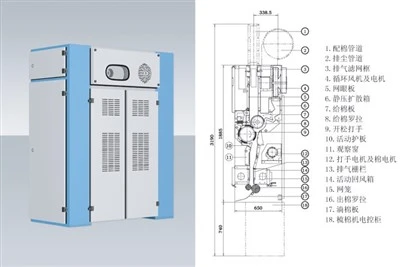
Combing Machine In conclusion, these 10 leading textile loom manufacturers play a crucial role in the global textile industry. Their continuous innovation, high – quality products, and excellent services contribute to the development and growth of the textile production sector worldwide.
